
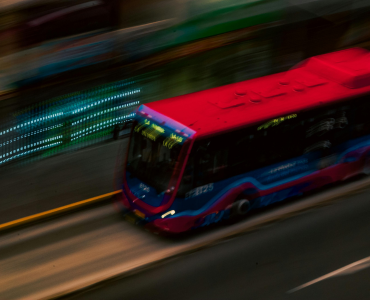
For decades, the sight of a rattling, crimson-and-yellow chariot navigating the hairpin turns of
Wayanad or the water-logged alleys of Kuttanad has been the heartbeat of Kerala. The Kerala
State Road Transport Corporation (KSRTC) is more than a fleet of buses; it is a cultural
artifact, an “Anavandi” that carries the nostalgia of generations. Yet, in the ledgers of the
state treasury, it is often viewed through the grim lens of a “loss-making utility.”
It is time for a radical pivot. We must stop viewing KSRTC as a struggling bus company and
start seeing it for what it truly is: Kerala’s most underutilized heritage asset. By rebranding
KSRTC from a mere state utility into a premier heritage tourism brand—emulating the iconic
status of the London Taxi, the San Francisco Cable Car, or Dubai’s Abra—Kerala can unlock
a goldmine of horizontal and vertical revenue. Just as the houseboat was salvaged from its
humble origins as a Kettuvallam (cargo boat) to become a global luxury icon, the KSRTC is
ready for its high-fashion makeover.
1. The Heritage Pivot: From Utility to Icon
The London Taxi is not just a car; it is a symbol of British engineering and reliability. People
pay a premium for the experience of sitting in one. Similarly, the San Francisco Cable Car is
a moving museum. For KSRTC to survive and thrive, it must transition from a “last resort for
the common man” to a “must-experience for the global traveler.”
The strategy is simple: The state transportation utility should become a secondary
function of the revenue model, while the Heritage Brand becomes the primary driver. In
this new paradigm, the “Ordinary” bus isn’t just a transport vehicle; it is a vintage
experience. We are not selling a seat from Point A to Point B; we are selling a ticket to the
soul of Kerala.
Lessons from the Kettuvallam
Before the 1990s, the Kettuvallam was a utilitarian vessel used to carry rice and spices. It was
slow, cumbersome, and arguably obsolete. However, through creative rebranding and
structural modification, it was transformed into the “Kerala Houseboat.” Today, it is the face
of Kerala Tourism, commanding daily rates that rival five-star hotels. KSRTC sits at a similar
crossroads. We have the fleet, we have the history, and we have the geographical reach that
no private player can match.
2. Beyond Scenic Beauty: Designing the “Culture on Wheels”
Currently, Kerala’s tourism is concentrated in pockets—Munnar, Thekkady, Alleppey. A
KSRTC Heritage brand can decentralize this, turning the journey itself into the destination.
A. Immersive Audio-Visual Storytelling
Imagine a “Heritage Express” where the ambient noise is not just the engine’s roar, but a
curated soundscape. As the bus enters the Valluvanad region, passengers hear the rhythmic
beats of Thayambaka. As it winds through the highlands, folk songs of the plantation workers
play.
• The Guide 2.0: Every bus should feature a multilingual digital guide or a trained
“Cultural Ambassador” (replacing the traditional conductor role for these routes) who
explains the historical significance of a passing temple, a 200-year-old bridge, or a local
revolutionary movement.
B. The Culinary Corridor
Food is the quickest way to a tourist’s heart and wallet. The KSRTC Heritage service should
feature “Locality Menus.”
• Hyper-Local Recipes: If the bus passes through Kozhikode, passengers are served
authentic Unnakkaya and Sulaimani. In Alappuzha, it’s Karimeen and Puttu.
• Global Standards, Local Flavor: The government must act as a quality guarantor. By
partnering with local Kudumbashree units or specialized culinary startups, KSRTC can
ensure that a traveler from London or Tokyo receives a meal that is hygienically packed to
international standards but tastes like a Kerala grandmother’s kitchen.
C. Retail Therapy: Handcrafts and Packaged Spices
KSRTC depots and the buses themselves can become mobile marketplaces. Currently, a
traveler has to hunt for authentic Aranmula Valghannadi or Balaramapuram handlooms. By
dedicating a section of the heritage bus to “State-Certified Artifacts,” KSRTC can capitalize
on impulsive tourism spending. This isn’t just revenue; it’s an ecosystem that supports
thousands of rural artisans.
3. Expanding Revenue: The Horizontal and Vertical Leap
To move away from the “ticket-only” mindset, KSRTC must look at its physical and digital
real estate.
Vertical Expansion (Deepening the core)
• Premium Logistics: Expand the current courier service into a “Cold Chain” logistics
network using specialized bus compartments to transport high-value perishable goods (like
farm-fresh organic milk or flowers) across the state overnight.
• Heritage Merchandising: Sell KSRTC-themed merchandise—miniature bus models,
“Anavandi” t-shirts, and vintage posters. If London can sell millions of “Underground” mugs,
why can’t Kerala sell KSRTC memorabilia?
Horizontal Expansion (Broadening the ecosystem)
• The Smart Washroom Network: One of the biggest hurdles for Kerala tourism is the lack
of clean public utilities. KSRTC can launch a chain of “Star-Rated Smart Washrooms” across
its depots and key stop-overs.
o The Model: Accessed via a prepaid smart card or QR code, these facilities would feature
immediate automated cleaning, premium toiletries, and a “hotel-lobby” feel. This addresses a
massive pain point for women and international travelers.
• The “Anavandi Hubs”: Transform depots into multi-use complexes featuring EV charging
stations, automated car washes, and “Traditional Evening Tea Counters” (Chaya Peedikas)
where tourists can experience the local gossip culture over a glass of hot tea.
4. The Human Element: Marketing the “Men of the Machine”
The soul of KSRTC isn’t the metal; it’s the people. The driver who navigates a flooded road
with the precision of a surgeon, or the mechanic who breathes life into a 20-year-old engine
in the middle of the night—these are the heroes of the Kerala tale.
Storytelling as Branding:
KSRTC should invest in high-quality video content—short, cinematic documentaries
showcasing the lives of these employees. When a tourist boards a bus, they shouldn’t see a
“government employee”; they should see a “Guardian of the Road.” This human-centric
approach builds an emotional connection, turning a transaction into an experience.
5. The “Aggregator” Model: A Solution for Capital Constraints
The most common argument against such a massive overhaul is the lack of capital. However,
KSRTC does not need to own every piece of this puzzle. It should transition from a
“Service Provider” to an “Ecosystem Aggregator” through Public-Private Partnerships
(PPP).
The Three-Pillar Aggregator Model:
- The Asset Owners: Private bus owner groups can provide the high-end luxury coaches,
branded under the KSRTC Heritage umbrella and adhering to state-mandated aesthetics. - The Tech Aggregators: Software firms can manage the booking, smart-card integration,
and “Smart Washroom” sensors, taking a percentage of the digital transaction. - The Service Aggregators: Employee groups or hospitality startups can manage the
onboard food, the guides, and the retail counters.
In this model, KSRTC provides the Brand, the Route Permissions, and the Depots. It
becomes the “Amazon” of Kerala travel, taking a commission on every meal sold, every
washroom used, and every handicraft purchased, without the burden of maintaining the entire
infrastructure on its own balance sheet.
6. Moving Forward: A Pilot for Change
To begin, KSRTC should identify three “Heritage Corridors”:
- The Spice Route: Kochi to Munnar, focusing on colonial history and plantation life.
- The Coastal Trail: Thiruvananthapuram to Alappuzha, focusing on maritime history and
backwater culture. - The Folk Trail: Kozhikode to Kasaragod, focusing on Theyyam, culinary excellence, and
northern myths.
By deploying “Heritage-Designed” buses on these routes—complete with local music,
regional snacks, and certified guides—the corporation can test the appetite of the market.
The Conclusion
The survival of KSRTC depends on its ability to shed its image as a “necessary burden” and
embrace its destiny as a “cultural pride.” If a 100-year-old boat can become a luxury floating
villa, a 80-year-old bus corporation can certainly become a world-class heritage brand.
It is time to stop counting tickets and start counting smiles, experiences, and cultural
footprints. Let the red-and-yellow buses of Kerala become as iconic as the black cabs of
London. The road is ready; we just need the vision to drive.